Material Logistics
Material and sample logistics for industry
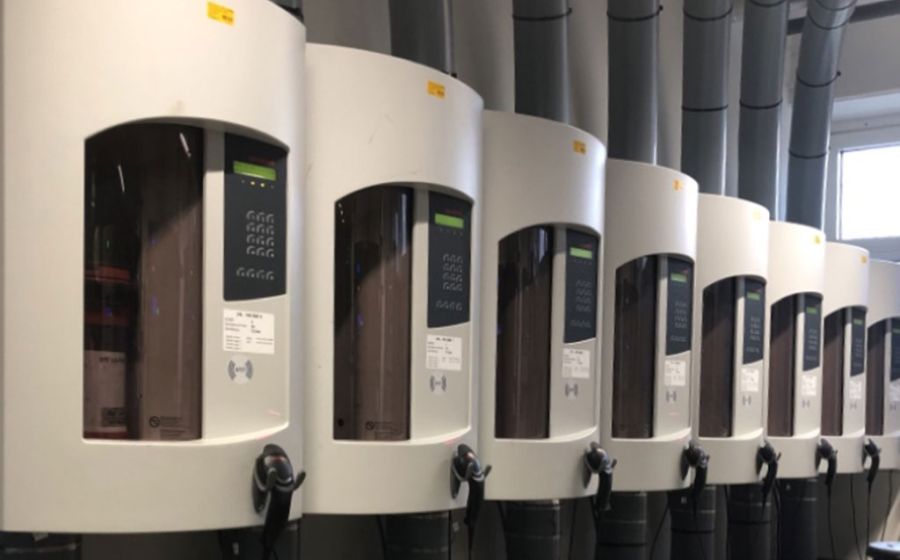

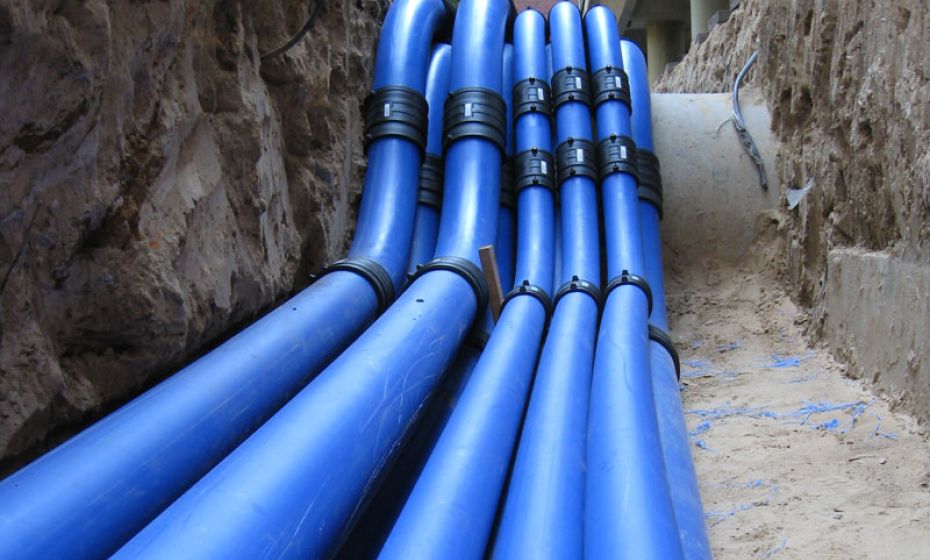
We offer customised solutions for a wide range of applications in the automotive and aviation industries, in quality assurance, for freight forwarders, in clean rooms as well as in steelworks.
The requirement is to transport materials, samples or small parts quickly and reliably to their destination, even over long distances.


Benefits of Industrial Pneumatic Tube Systems
Pneumatic tube systems have become an integral part of many industrial processes. They enable fast, secure, and efficient transport of materials and documents, even in complex and demanding production or logistics environments. Here are some key application areas and their benefits:
- Automotive Industry: Streamlining Production Processes
Efficiency is critical in the automotive industry. Pneumatic tube systems facilitate the rapid transport of small parts, quality control samples, and documents between production lines, laboratories, and administrative areas. This minimizes downtime and boosts productivity. - Food Production and Pharmaceuticals: Safety and Hygiene
In industries where hygiene and precision are paramount, pneumatic tube systems provide a closed and contamination-free transport solution. Samples, prescriptions, or small components can be transported safely, ensuring adherence to quality standards and improving traceability. - Copper, Aluminium, and Steel Plants: Durability and Efficiency
In the steel, copper or aluminium industry, our systems have to be installed under extreme environmental conditions. Pneumatic tube systems are particularly useful here for the safe and fast transport of samples, tools or spare parts over long distances. Their robustness and adaptability make them ideal for these demanding applications. - Document Transport in Freight Forwarding and Warehouse Logistics: Speed and Accuracy
In logistics, critical documents such as delivery notes, customs papers, or orders must be delivered quickly and reliably. Pneumatic tube systems enable the seamless transport of these important materials between offices, warehouses, and loading docks, accelerating workflows and reducing errors.
Pneumatic tube systems are a versatile solution for industrial automation. They offer speed, reliability, safety, and flexibility, whether in the automotive industry, food and pharmaceutical production, metal plants, or logistics. Their use significantly optimizes processes, leading to cost savings and enhanced efficiency.